Finding a suspicious bite, a tiny dark mark on a sheet, or an insect tucked near a mattress can make your home feel unsettled in a hurry. It’s natural to wonder where it came from, whether it’s already travelled farther, and what you can do before a small concern becomes a much bigger disruption.
The reassuring part is that bed bugs don’t fly or jump. They primarily spread by hitchhiking on people and possessions. Infestations in apartments and condominiums can also move through connected building spaces. Understanding how bed bugs spread can help you identify potential exposure points, limit movement between rooms, and know when professional treatment may be appropriate.
Bed bugs are small, flat insects that hide close to where people rest. They can tuck into seams, cracks, bags, furniture joints, and other tight spaces, then emerge to feed. Because they’re good at staying out of sight, they can travel unnoticed when an item moves from one place to another.
The main bed bug transmission routes involve people carrying an insect or eggs in belongings, moving an infested item, or living near another affected unit. They aren’t a sign that a home is unclean. Bed bugs can show up in tidy homes, busy hotels, apartments, workplaces, and vehicles because they’re looking for sheltered places to hide and access to people.
The Government of Quebec’s bed bug prevention guidance explains that these pests commonly move in luggage, clothing, furniture, and other belongings. That’s why identifying a potential source matters as much as addressing the visible area. A single insect that comes home in a bag can settle into a bedroom before anyone realizes it’s there.
| Vector | Risk Level | Primary Actionable Defence |
| Travel and Luggage | High | Inspect luggage seams, pockets, and exterior surfaces after travel; keep luggage away from beds and upholstered furniture. |
| Clothing, Bags, and Personal Belongings | Moderate to high | Keep potentially exposed items contained and use appropriate laundering and dryer heat according to fabric-care instructions. |
| Secondhand Mattresses and Upholstered Furniture | High | Inspect seams, tufts, joints, labels, drawers, and undersides before bringing used items into the home. |
| Used Household Furniture | Moderate to high | Examine cracks, joints, screw holes, and sheltered areas for insects, eggs, shed skins, or dark spotting |
| Shared Walls and Building Openings | Moderate to high in multi-unit housing | Report confirmed activity to the appropriate landlord, property manager, or condominium board and have connected areas assessed. |
| Vehicles | Moderate | Inspect seats, seams, and clutter if a suspected item has been transported or signs appear after travel. |
Hotels, public transit, visiting, and overnight stays can all create opportunities for a bed bug to hitchhike. That doesn’t mean travel will cause an infestation, but it does mean luggage deserves attention after a trip.
Keep suitcases off beds and upholstered furniture when possible. Inspect seams and pockets after returning home, and keep potentially exposed clothing contained until it can be washed or dried appropriately.
Bed bugs can also travel in backpacks, purses, jackets, and other items that spend time near beds or soft seating. One insect in a bag doesn’t automatically create a large infestation overnight, but hidden bugs can reproduce and expand their hiding places if they are not detected.
Secondhand finds can be useful, affordable additions to a home, but they should be inspected before entering the living space. Pay particular attention to mattresses and upholstered furniture because they offer numerous sheltered hiding places.
Check seams, tufts, joints, screw holes, labels, drawers, and the underside of furniture. Look for live insects, pale shed skins, tiny light-coloured eggs, or small dark spotting near seams and cracks.
Vacuuming a used item alone doesn’t guarantee that hidden bugs or eggs have been eliminated. If you find suspicious signs, keeping the item isolated while arranging an assessment can reduce the opportunity for bed bugs to spread.
Shared walls create a different transmission route from simple hitchhiking. In apartments, condominiums, and other multi-unit buildings, bed bugs can potentially move through gaps around pipes, wiring, baseboards, walls, hallways, and other connected spaces.
This is particularly important when activity is confirmed in one unit. Moving furniture or belongings from an affected area without understanding the source can unintentionally spread the problem.
For Winnipeg tenants, apartment-related pest concerns may also involve Manitoba Residential Tenancies Branch processes and communication between tenants and landlords. When bed bugs are confirmed or suspected in a rental property, documenting the concern and communicating with the landlord or property manager can help establish the appropriate response and determine whether connected areas need assessment.
A bed bug problem in a neighbouring unit doesn’t automatically mean your home is infested. However, shared-building conditions can make coordinated inspection and treatment important. For property managers and landlords dealing with bed bug activity across connected units, professional pest control for multi-unit buildings can help support an effective response.
Winnipeg’s winter conditions can change how people use their homes. When outdoor temperatures drop, residents spend more time indoors and keep windows and doors closed while indoor heating systems maintain comfortable temperatures.
These conditions don’t create bed bugs, but increased time indoors can mean more opportunities for people and belongings to remain in close proximity. Heated indoor spaces can also remain suitable environments for bed bugs throughout the winter.
For that reason, Winnipeg homeowners and tenants shouldn’t assume that winter weather will eliminate a bed bug problem. If signs continue appearing indoors, inspection and appropriate treatment are more reliable than waiting for outdoor temperatures to change.
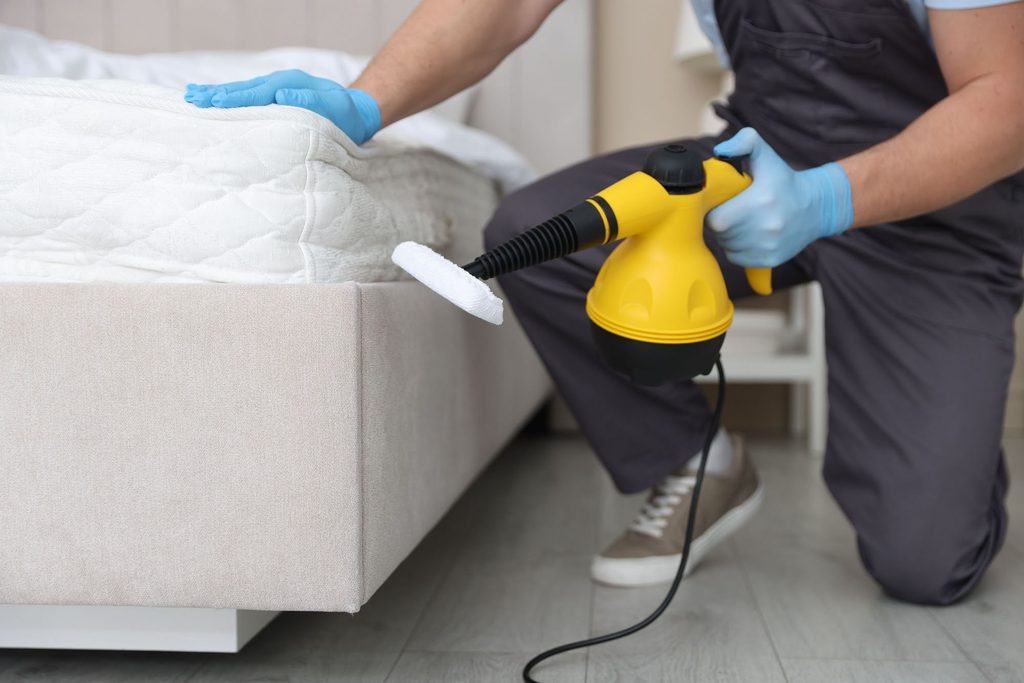
Prevention is not about panic or perfection. It’s about creating habits that make hitchhiking harder and help you notice a problem early:
1. Inspect before bringing items inside
Check luggage, bags, clothing, mattresses, upholstered furniture, and recently purchased secondhand items before placing them in bedrooms or other areas where people rest. Pay particular attention to seams, cracks, joints, pockets, and other sheltered spaces.
2. Contain potentially exposed belongings
If you suspect bed bug exposure, avoid carrying loose clothing, bedding, bags, or other items throughout the home. Keep potentially exposed laundry contained and follow fabric-care instructions when using a dryer’s heat. Separate clean items from anything that hasn’t yet been inspected or treated.
3. Monitor bedrooms and surrounding areas
Check mattress seams, bed frames, nearby furniture, baseboards, and other likely hiding areas if you notice bites, dark spotting, shed skins, eggs, or a live insect. Reduce unnecessary clutter around beds and sofas so there are fewer places for insects to hide.
4. Get professional help when signs persist, or activity is confirmed
Avoid moving suspected furniture between rooms or lending potentially affected belongings to others. DIY sprays or incomplete treatment can miss concealed insects and eggs. A1 Pest Solutions Inc can assess the situation and discuss professional treatment options, including specialized heat treatments and targeted chemical treatments, based on the infestation and property.
Bed bugs can hide in cracks, furniture joints, mattress seams, baseboards, and other areas that are easy to overlook. Finding one visible insect doesn’t necessarily reveal the full extent of an infestation.
At A1 Pest Solutions Inc, we can help identify potential hiding areas and determine an appropriate treatment approach for Winnipeg homes. Depending on the circumstances, treatment may include specialized heat treatment or targeted chemical treatment designed to address bed bug activity in the affected areas.
The appropriate approach depends on the property, extent of activity, accessible hiding places, and other conditions identified during assessment. Professional treatment can also help homeowners avoid relying solely on surface-level cleaning or unplanned pesticide applications.
Read some frequently asked questions about bed bugs here.
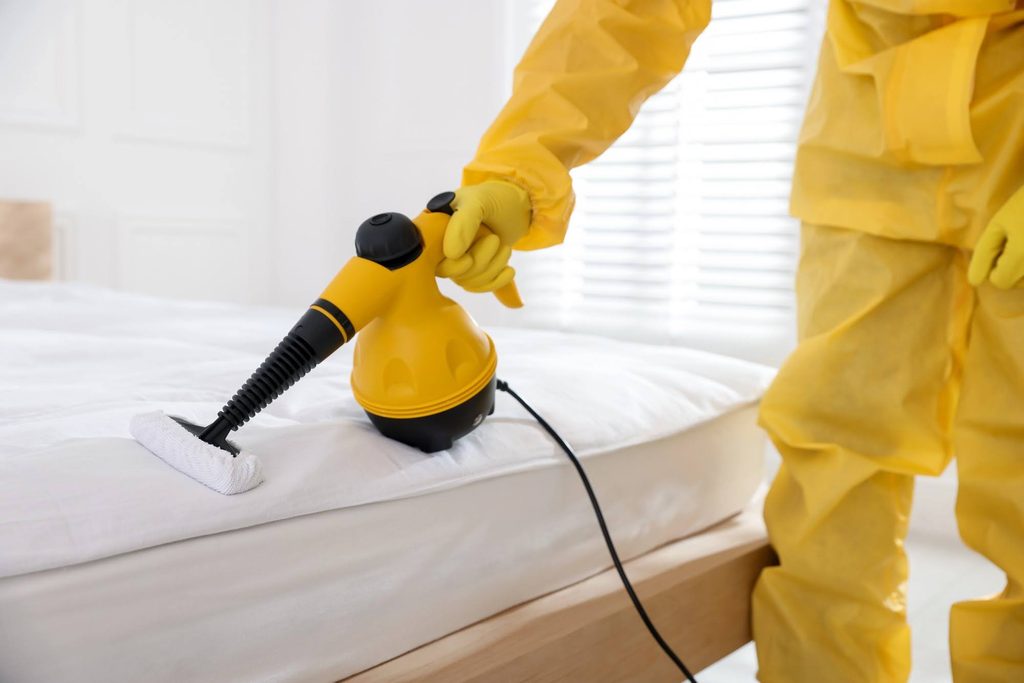
If you notice signs after travelling, moving, purchasing secondhand furniture, or visiting another home, avoid assuming where the insects came from. Focus first on limiting movement and identifying the affected areas.
Keep potentially exposed belongings contained, inspect sleeping areas and nearby furniture, and avoid moving suspicious items from room to room. If signs continue or you find a live insect, professional assessment can help determine whether you’re dealing with bed bugs and what treatment options are appropriate.
In a multi-unit Winnipeg building, communication is also important. Notify the appropriate landlord, property manager, or condominium representative when there is confirmed activity so that connected spaces can be considered as part of the response.
Bed bugs are unsettling, but you don’t have to sort through the uncertainty alone. At A1 Pest Solutions Inc, we provide professional bed bug assessment and treatment services for Winnipeg homes. Our approach can include specialized heat treatments and targeted chemical treatments, depending on the situation.
If you’re seeing signs after travel, a move, a secondhand purchase, or possible exposure in a multi-unit building, contacting A1 Pest Solutions Inc early can help you understand what you’re dealing with and determine the appropriate next step.
Contact A1 Pest Solutions Inc for professional bed bug extermination services in Winnipeg.